
With the start of a new term with Donald Trump in office, there will likely be a whole new raft of anti climate measures taken, including to begin drilling in the Alaskan wilderness.
The mainstream media has been ignoring the real seriousness of the climate crisis for years, and now, unless they step up, that neglect will become even more damaging. This is where community radio can step in. We need to be the voice of our planet, our life on earth and sound it loud. We can do this in so many ways. We can put programmes on our stations that talk about the climate emergency, that talk about nature, and our interconnectedness with it. We can embed climate and nature stories in our news bulletins – in fact this is something that CREN is going to be working on in 2025. We can talk about local problems, our extreme weather events, our resilience (or lack of) and what we should be doing to both mitigate and prepare for the climate crisis. We can keep up a close and regular dialogue with our local authorities, be a critical friend to them in their journey to meet their climate pledges, and make them accountable if they are ignoring those pledges completely. We can be a signposting system for all the various green groups locally to find each other. We can act as a live audio noticeboard for our listeners and our communities, enabling campaigners, organisations, businesses, local farms, the local authority to all send our listeners messages when they want to. We can host live events, networking events, and in general help to amplify the voices of the green groups in our communities.
We can be a much needed source of support and advice during climate emergencies. In January of this year, 2024, when there were floods in Nottinghamshire, BBC stations were unable to provide the local service that they used to because of the restructuring of the service, turning them into regional rather than local stations. Community radio stations filled the gap. In the next 10 years it is very likely that different regions in the UK will suffer from either drought, crop failure, extended heat stress and especially flooding. It’s essential that we are ready to meet the needs of our communities when these times come.
We can do this in a way that is accessible, dynamic, constructive, informative, entertaining, even fun and especially inspiring. When we start to look at our world and our fellow living creatures as one single web of life on earth, we start to treat it differently. Everything begins to take on a different slant, a different character, and this opens up a whole new way of seeing the world, and our lives. From a purely creative perspective this is an exciting opportunity to delve into so many different conversations, and ways of thinking, and community radio is especially well-placed to do this.
We can be so much more creative than the mainstream media, we can react to events more quickly because of our hyper local stations and volunteers. We can challenge the status quo and inspire our listeners to widen their horizons of what’s possible to help make our communities strong and resilient, and brilliant places to live. We can also connect up with our community radio friends in the States, and elsewhere across the world. This will be an enormous source of strength in the future. It is community that is going to save us in the coming decades, and community radio is going to be at the heart of that journey.
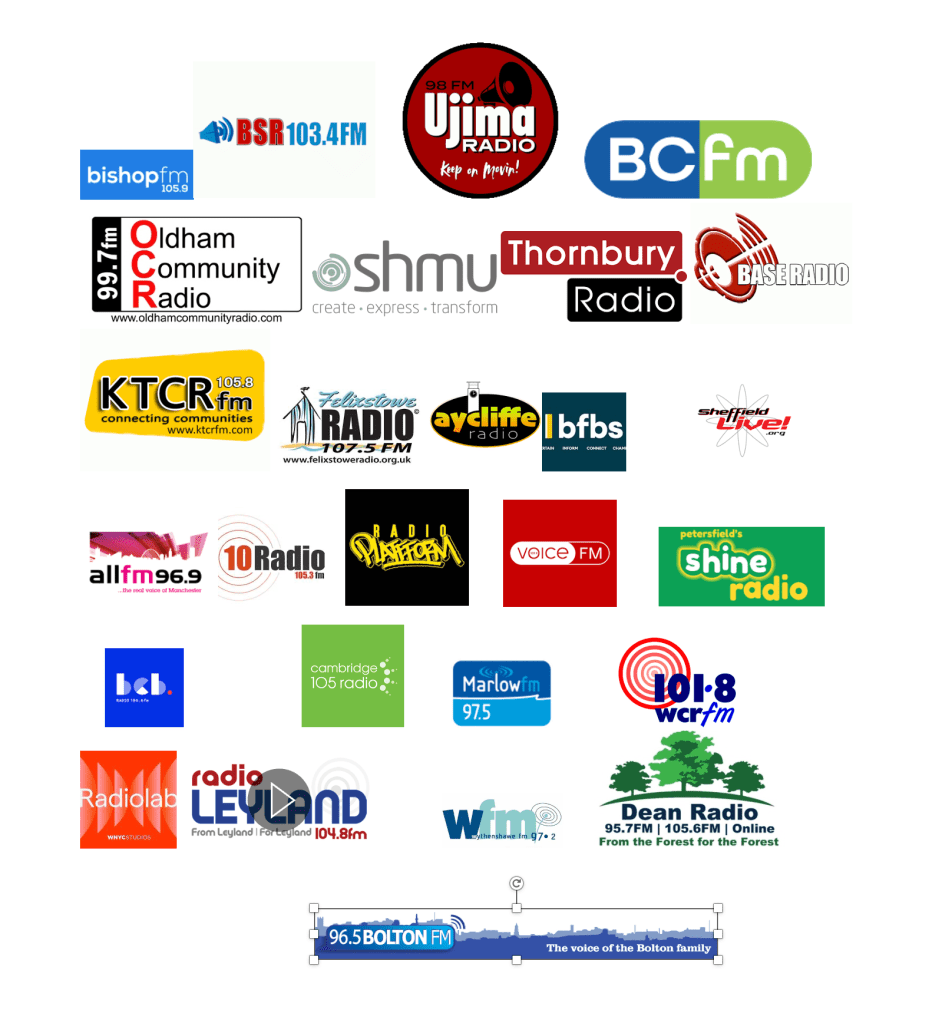
And we’re putting out money where our mouth is right now, just about to launch Our Earth Week on Monday 11th November! If you’re not taking part and you would like to, just email crenuk1@gmail.com and we can send you a pack to help be part of it. And above are just some of the stations taking part!
Penny Southgate, Founder of Our Earth Week
 Community Radio Environment Network
Leave a comment